Medical imaging plays an important role in diagnosing diseases and injuries accurately. Two of the most commonly used imaging techniques are CT scans and MRI scans. While both help doctors examine internal organs and tissues, they use different technologies and are recommended for different medical conditions.
Understanding the difference between CT scan and MRI can help patients know why a doctor recommends one test instead of the other and what to expect during the procedure.
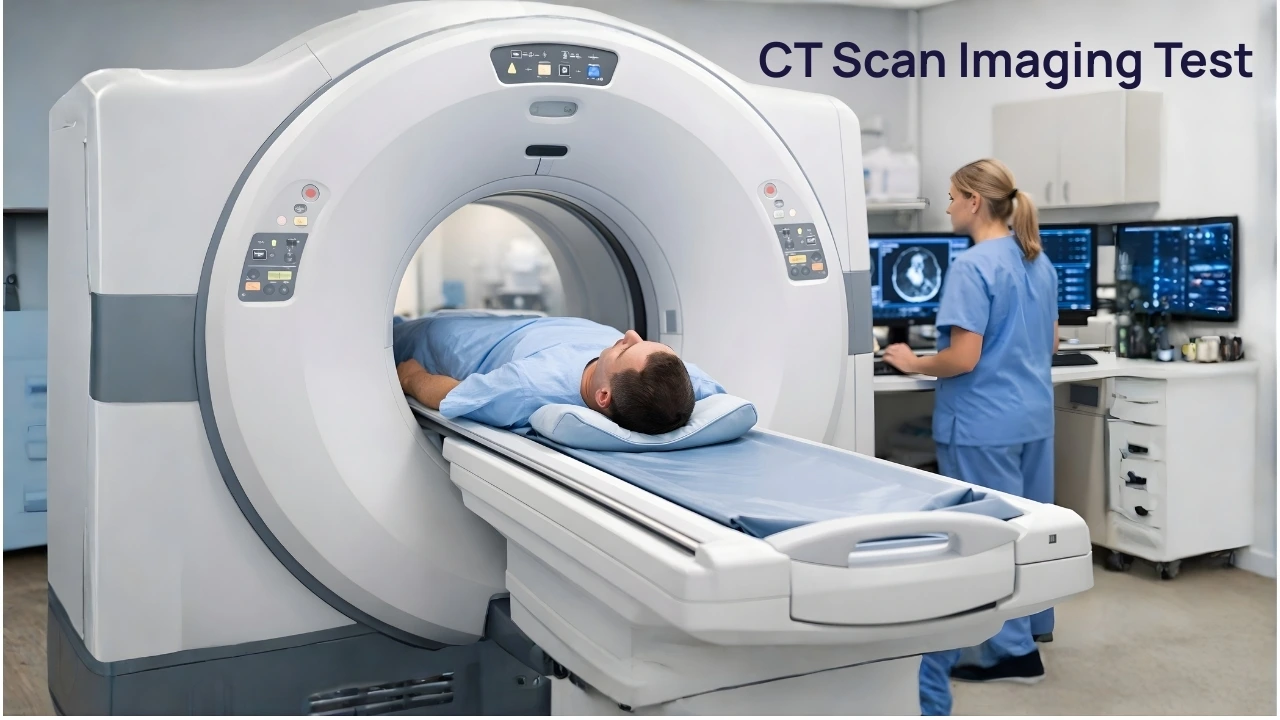
A CT scan, also called a computed tomography scan, uses X rays and advanced computer technology to create detailed cross sectional images of the body. These images allow doctors to view bones, organs, blood vessels, and tissues more clearly than a standard X ray.
CT scans are commonly used in emergency situations because they provide fast and detailed imaging results. The procedure is quick and typically takes only a few minutes to complete.
CT scans are often used to detect or evaluate:
Because CT scans produce fast results, they are widely used in emergency departments and trauma care.
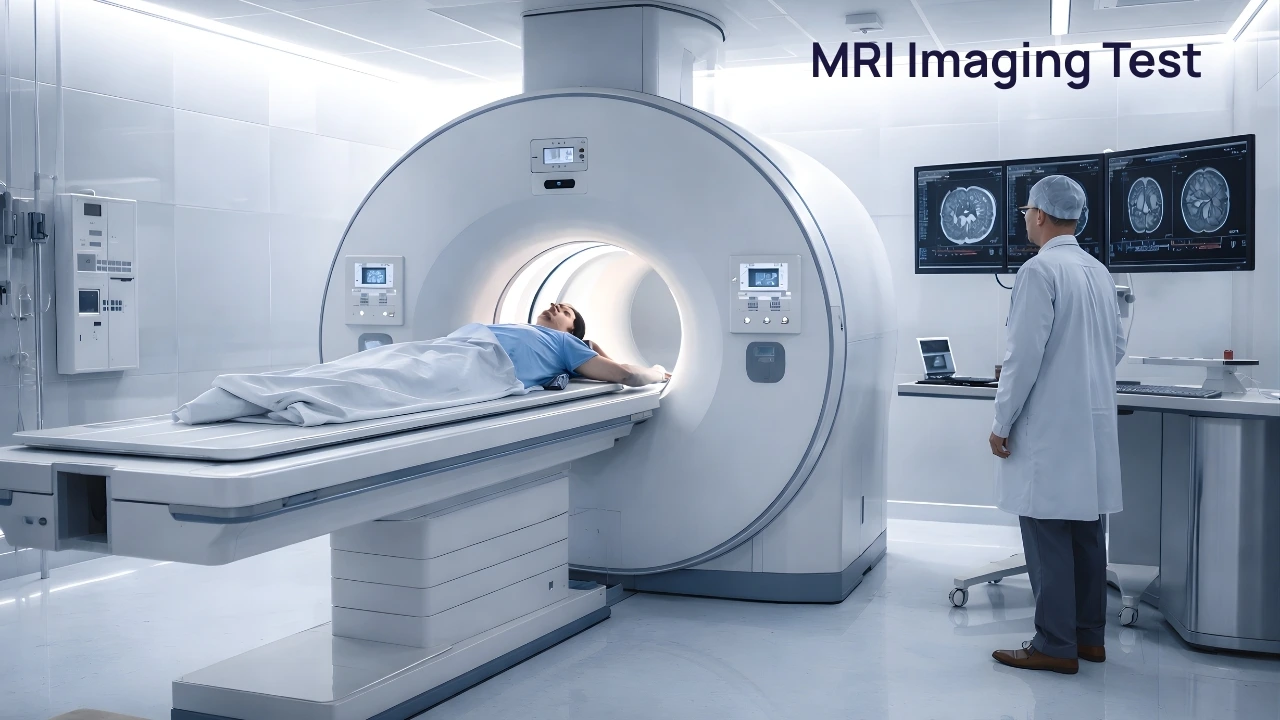
MRI stands for Magnetic Resonance Imaging. Unlike CT scans, MRI does not use radiation. Instead, it uses powerful magnets and radio waves to create highly detailed images of soft tissues inside the body.
MRI scans are particularly useful for examining soft tissues such as muscles, ligaments, nerves, and the brain. The procedure takes longer than a CT scan but provides extremely detailed images that help doctors diagnose complex medical conditions.
MRI scans are typically used for diagnosing:
Because MRI produces very detailed soft tissue images, it is often recommended when doctors need more precise diagnostic information.
Although both imaging techniques help doctors diagnose medical conditions, there are important differences between CT scans and MRI scans.
A CT scan uses X rays to generate images, while an MRI scan uses magnetic fields and radio waves.
CT scans are much faster and usually take only a few minutes. MRI scans can take between 20 and 45 minutes depending on the area being examined.
CT scans are excellent for detecting bone injuries, internal bleeding, and lung problems. MRI scans provide better images of soft tissues such as muscles, ligaments, nerves, and the brain.
CT scans involve a small amount of radiation because they use X rays. MRI scans do not involve radiation.
CT scans are preferred in emergencies because they are quick and widely available. MRI scans are typically used for detailed follow up investigations.
Doctors usually recommend a CT scan when quick and clear images are needed to diagnose serious conditions. CT scans are often used for emergency cases or when doctors need to examine bones, internal bleeding, or organs quickly.
You may need a CT scan if you have:
CT scans help doctors make fast medical decisions in urgent situations.
MRI scans are recommended when detailed images of soft tissues are required. These scans provide high resolution images that help doctors detect abnormalities in muscles, ligaments, nerves, and organs.
Doctors may recommend an MRI if you have:
MRI scans help provide detailed insights that may not be visible in other imaging tests.
Both CT scans and MRI scans are considered safe diagnostic procedures when performed under medical supervision.
CT scans use low levels of radiation, which are carefully controlled and considered safe for diagnostic purposes. MRI scans do not use radiation but may not be suitable for patients who have metal implants or certain medical devices.
Doctors evaluate the patient’s condition and medical history before recommending the most appropriate imaging test.
Preparation for imaging tests depends on the type of scan and the body part being examined.
For CT scans, patients may sometimes receive a contrast dye to improve image clarity. For MRI scans, patients are usually asked to remove metal objects before the procedure because of the strong magnetic field.
Your doctor or radiology technician will provide specific instructions before the scan to ensure accurate results.
Diagnostic imaging such as CT scans and MRI scans allows doctors to detect diseases early, evaluate injuries accurately, and plan appropriate treatment.
Modern radiology technology helps improve patient care by providing clear medical insights without the need for invasive procedures.
Hospitals with advanced diagnostic imaging facilities ensure that patients receive reliable results quickly and safely.
CT scans and MRI scans are both essential diagnostic tools in modern medicine. While CT scans are faster and commonly used for trauma, bone injuries, and internal bleeding, MRI scans provide detailed images of soft tissues, nerves, and the brain.
The choice between CT scan and MRI depends on the patient’s symptoms, medical history, and the area of the body being examined. Doctors carefully select the appropriate imaging test to ensure accurate diagnosis and effective treatment.
If you experience persistent pain, injuries, or unexplained symptoms, timely diagnostic imaging can help identify the cause and guide proper medical care.
Both scans serve different purposes. CT scans are faster and useful for detecting bone injuries and internal bleeding, while MRI scans are better for examining soft tissues such as muscles, ligaments, and nerves.
A CT scan usually takes about 5 to 10 minutes, depending on the area being examined.
An MRI scan typically takes between 20 and 45 minutes depending on the body part and the type of scan.
No. CT scans are painless procedures where the patient lies still on a scanning table while the machine captures images.
In most cases, both scans are outpatient procedures and patients can go home shortly after the test.
If your doctor recommends a CT scan, MRI scan, or any other diagnostic imaging test, choosing a reliable hospital is important for accurate results and proper medical guidance.
Vardaan Hospital in Ranchi provides advanced diagnostic imaging services including CT scan, MRI, ultrasound, and X ray with modern technology and experienced medical professionals. The hospital focuses on accurate diagnosis, patient safety, and quick reporting to support effective treatment decisions.
Whether you need imaging for injury diagnosis, neurological conditions, abdominal pain, or preventive health screening, the radiology department at Vardaan Hospital ensures high quality diagnostic care in a safe and comfortable environment.
You can consult the medical team or book your diagnostic scan appointment directly with the hospital for reliable imaging and accurate reports.
Vardan Hospitals © 2025. All rights reserved.