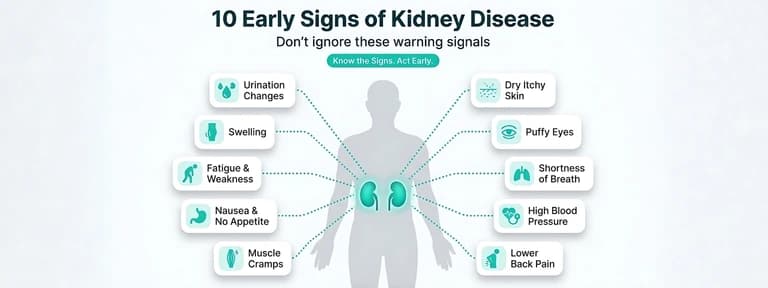
Kidney disease is often called a “silent condition” because it develops gradually and may not show strong symptoms in the beginning. Many people ignore early warning signs like fatigue, swelling, or changes in urination, assuming they are minor issues.
However, these symptoms can indicate underlying kidney problems that require medical attention. Identifying the early signs of kidney disease can help prevent complications, reduce long-term damage, and avoid advanced treatments like dialysis. Early diagnosis and proper care play a crucial role in protecting kidney function and overall health.
Kidney disease occurs when the kidneys lose their ability to filter waste, toxins, and excess fluids from the blood effectively. Healthy kidneys help maintain electrolyte balance, regulate blood pressure, and support overall body function.
Common causes of kidney disease include diabetes, high blood pressure, infections, long-term medication use, and lifestyle factors. If left untreated, kidney disease can progress over time and lead to chronic kidney disease or kidney failure.
Early-stage kidney disease can often be managed with medication, diet control, and lifestyle changes. When detected late, treatment becomes more complex and may require dialysis or long-term care.
Recognizing symptoms early helps in:
One of the most noticeable early signs is a change in urination pattern. You may experience increased frequency, especially at night, or a decrease in urine output. Some people notice foamy or bubbly urine, which may indicate protein leakage.
Any unusual change in urination should be evaluated by a doctor.
Kidneys remove excess fluid from the body. When they are not functioning properly, fluid can accumulate and cause swelling in the legs, ankles, feet, or face.
This swelling may worsen throughout the day and is often a key sign of kidney dysfunction.
Kidney problems can lead to a buildup of toxins in the blood, making you feel tired and weak. In some cases, reduced kidney function can also cause anemia, which further contributes to fatigue and low energy levels.
A sudden decrease in appetite or frequent nausea can be an early symptom of kidney disease. Waste buildup in the body affects digestion and may lead to a feeling of fullness even after small meals.
Electrolyte imbalance caused by kidney dysfunction can lead to frequent muscle cramps. This is commonly experienced in the legs and may occur during rest or sleep.
Kidneys help maintain the balance of minerals and nutrients in the body. When this balance is disturbed, it can result in dry, irritated, or itchy skin.
This symptom is often overlooked but can indicate underlying kidney issues.
Swelling around the eyes, especially in the morning, may indicate protein leakage in urine. This is a sign that the kidneys are not filtering properly.
Fluid buildup in the lungs or reduced oxygen levels can cause difficulty breathing. This may occur even during mild physical activity and should not be ignored.
High blood pressure is both a cause and a symptom of kidney disease. Poor kidney function can lead to increased blood pressure, which in turn further damages the kidneys.
Pain in the lower back or side (flank area) can be associated with kidney infections, stones, or other kidney-related problems. Persistent or severe pain should be evaluated by a medical professional.
Certain individuals are at higher risk and should be more cautious about symptoms:
Regular health check-ups are especially important for these groups.
You should consult a doctor if you experience:
Early medical consultation can prevent serious complications and improve recovery outcomes.
Doctors use several tests to diagnose kidney problems, including:
Regular screening helps detect kidney issues before they become severe.
Treatment depends on the stage and cause of kidney disease. Early-stage management may include:
In advanced stages, treatments like dialysis may be required. Supportive care, including physiotherapy and rehabilitation, may also help improve overall health and recovery.
Kidney disease often begins with mild symptoms that are easy to ignore. Paying attention to these early warning signs can help you take timely action and prevent serious health complications.
Regular check-ups, early diagnosis, and proper treatment are essential for maintaining kidney health and overall well-being.
If you are experiencing symptoms of kidney disease or need accurate diagnosis and treatment, Vardaan Hospital offers advanced care, modern diagnostic support, and experienced medical specialists.
Call us:
Email:
Visit us:
Book your consultation today and take the first step toward better kidney health.
Vardan Hospitals © 2025. All rights reserved.